This Week in the Market
The dominant story this week is the unwind in semiconductors, which shed more than 12% in two sessions and dragged the broader market lower alongside a steep drop in Korean memory names. We read this as a positioning flush, not a break in the AI spending thesis.
The real question is whether the AI leaders can grow into their valuations, and second-quarter earnings season, kicking off next week, will start to answer it. Cheaper oil—down roughly 20% in two weeks—is a tailwind for margins that markets have shrugged off. In our view, patience wins: we'd let the chip selloff settle before adding, keeping quality infrastructure names on the buy list rather than chasing a bounce.
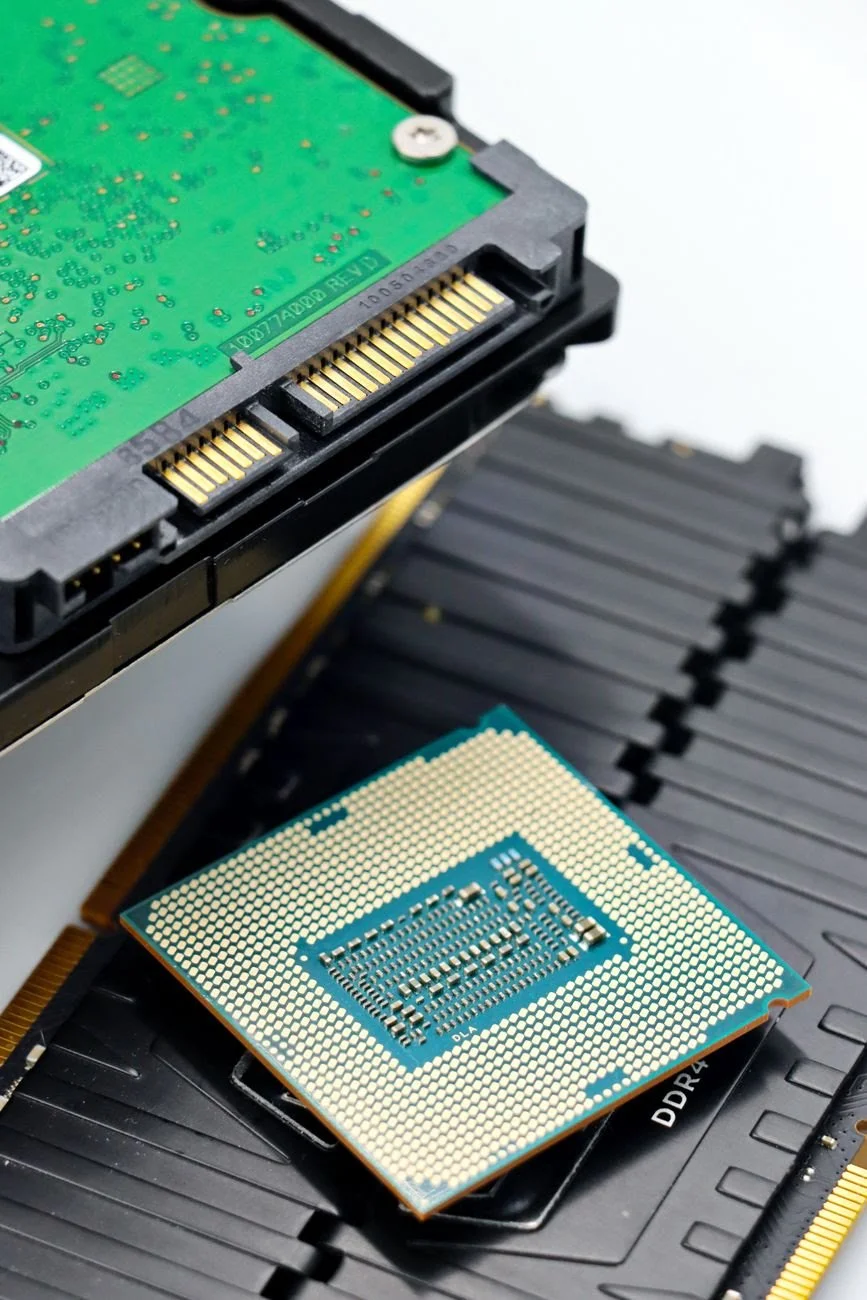
Current Trade Idea: MU
As the primary US-based, high-volume HBM supplier alongside SK Hynix and Samsung, Micron sits at the center of the AI infrastructure buildout with multi-year customer commitments locking in demand visibility. We believe the market still underprices this cycle relative to prior memory downturns, since AI-driven capacity constraints look structural rather than the typical boom-bust pattern.
Last week, Micron fell to about $950. We believe it can not only recover but also break all-time highs. In the next section, we'll outline how we're trading it.
Micron (MU) – Equity to Debit Spread Conversion
Our approach is structured around accumulating shares, then rotating into call debit spreads during a sharp downturn. We like picking up stock under $1,000 and swapping it for debit spreads once shares pull back toward $860, using the drawdown to buy leverage at a discount rather than simply averaging down on equity.
The logic is straightforward: a debit spread struck off a depressed share price captures the same directional upside with a fraction of the capital outlay, freeing cash to redeploy elsewhere or to add further size if the selloff extends. We treat this less as a market-timing call and more as a standing rule — every meaningful dip in a name we already want to own becomes an opportunity to convert dollars of stock into leveraged dollars of exposure, as long as the underlying thesis hasn't changed.
Disclaimer: We own shares of MU as of writing this. The content in this newsletter is for informational and educational purposes only and should not be considered financial, investment, or legal advice. A4K Capital and its affiliates are not responsible for any financial losses or decisions made based on the information provided.
